Architectural Rendering Pricing in 2026: A Budgeting Guide for Architects and Developers
EOS Visions · March 2026 · 9 min read
Quick Answer
Architectural rendering costs range from $50 per image for early-concept work to $4,000+ per view for marketing-focused photorealistic output. Animations run roughly $50 - $200 per second of final footage. What you pay determines not just how the image looks, but how effectively the studio helps you sell your project.
Most developers ask "how much do renderings cost?" That's the right instinct but the wrong question.
A $50 render and a $4,000 render serve completely different purposes. Treating them as versions of the same product leads to two expensive mistakes: overspending on work that only needed to get through planning, or underspending on the image that needed to close a deal.
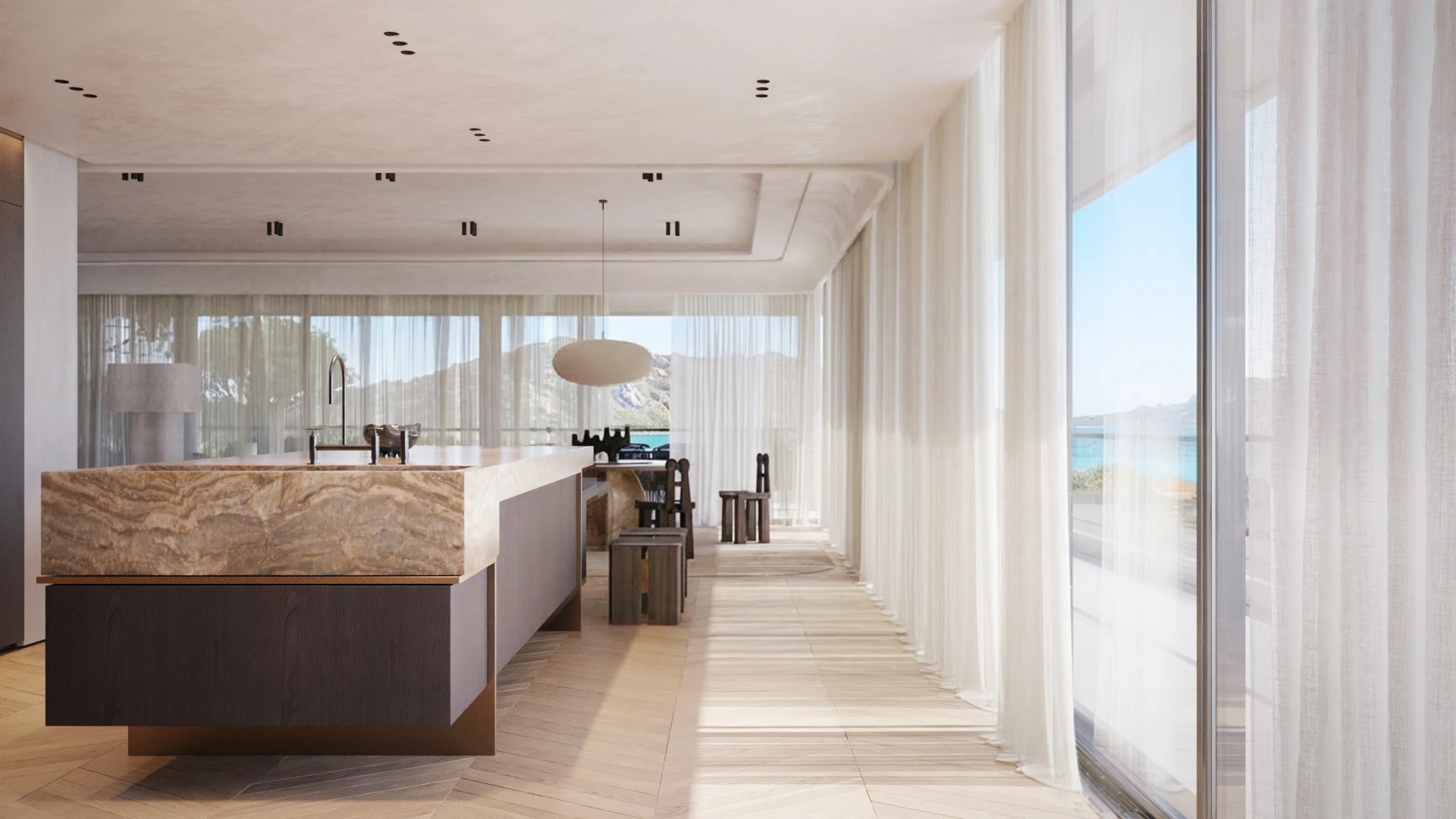
This guide breaks down what drives architectural rendering costs, what you actually get at each price point, and how to think of renderings as a sales tool, not just a line item.
What Is Architectural Rendering?
Before getting into pricing, a few terms worth knowing.
Photorealistic Rendering
A 3D image produced with enough lighting, material, and environmental detail that it reads as a photograph. The primary quality benchmark studios use to tier their pricing.
Virtual Tour
An interactive application consisting of multiple interconnected 360 degree photos. Virtual tours are primarily static images, while CGI Walkthroughs are animated, or real-time.
Cinematic Animation
A video sequence showcasing a project through carefully composed shots with choreographed audio.
How Much Does Architectural Rendering Cost in 2026?
The market runs a wide range, and that range is intentional. Different budget tiers serve different purposes.
Type
Price Range
Best For
Entry-Level Still
$50 - $500
Internal reviews, planning submissions.
Mid-range Still
$500 - $1,200
Client-facing concept approvals, planning submissions.
Premium Still
$1,200 - $4,000+
Marketing campaigns, investor decks.
Virtual Tour Still
$1,200 - $5,000
Sales, investor presentations
CGI Walkthroughs
$50 - $100/sec
Concept approvals, investor presentations
Cinematic Animation
$50 - $200/sec
Marketing campaigns, investor presentations
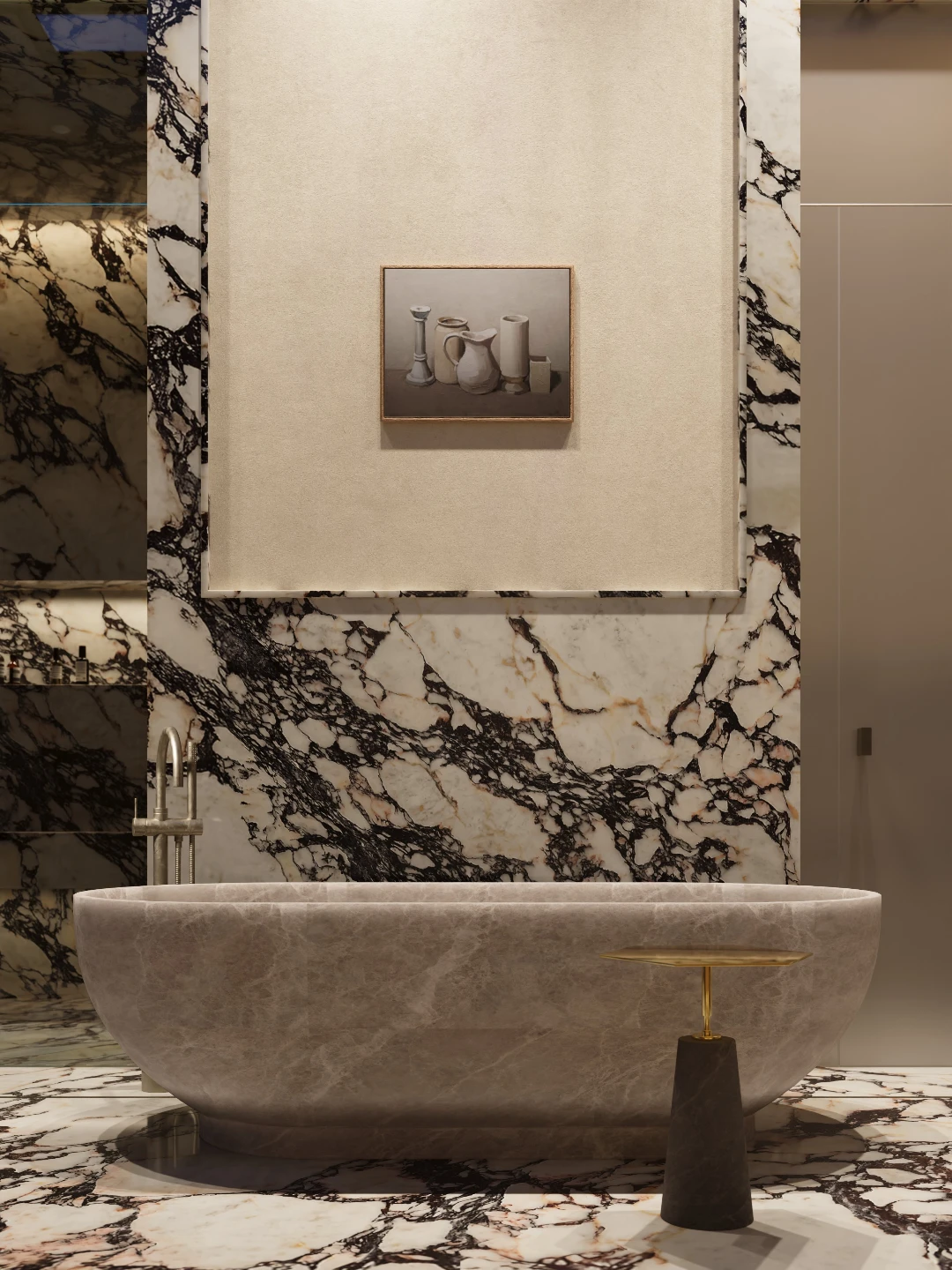
At the premium end, the difference isn't just technical quality. It's art direction, contextual accuracy, lifestyle staging, and a studio that understands what the image needs to accomplish, not just what the building looks like.
What Factors Drive Rendering Costs, and How Can You Control Them?
Four variables account for most pricing variation - level of detail, turnaround time, deliverable type, and brief quality.
Level of detail is the largest cost driver. This dictates the time required to produce each image.
Turnaround time - rush fees of 25 to 50% are standard across the industry. Teams that treat rendering as an afterthought and brief a studio a week before a board presentation overpay significantly.
Deliverable type - a still for internal review will cost significantly less than a hero shot for a marketing campaign. Consider commissioning bundled packages to take advantage of bulk discounts, often as much as 10 to 25% off.
Brief quality is underrated. Clients who provide BIM files, clear reference images, and detailed material specifications reduce studio modeling time significantly. Vague briefs generate more revision rounds, which studios charge for.
Is It Worth Hiring a Premium Studio vs. an Offshore Rendering Firm?
It depends on what the render needs to do.
Eastern European and Southeast Asian studios have narrowed the quality gap considerably over the past few years. For standard residential exteriors and basic interior sequences, the difference between a mid-tier US studio and a skilled Eastern European firm is often less than 30% in quality, while the price difference can exceed 50%. Cylind's 2026 pricing comparison puts offshore rates at $200 to $800 per exterior still, versus $800 to $4,000 for US and Western European firms.
The gap reopens at the premium end. When renders need to support a sales gallery or anchor a marketing campaign, contextual accuracy, lifestyle staging, and art direction are judgment calls that require a studio with deep visual experience. There's also the communication overhead: revision cycles with offshore studios add time that can matter more than the cost difference on tight pre-sales timelines.
The honest benchmark:
If the render will appear in a sales gallery or be used to secure financing, commission a premium studio. If it's going into a planning submission or internal review, mid-range or offshore options are worth exploring.
How Do Renderings Actually Help Sell Off-Plan Properties Faster?
The mechanism is straightforward. Before a building exists, a buyer's confidence is based entirely on their imagination. A photorealistic render replaces that uncertainty with something concrete.
The data supports this consistently. According to a Chasing Illusions Studio case study, projects marketed with professional 3D visualization achieve 3.2 times higher sales velocity compared to developments relying on floor plans and site photography. Listings with a 3D tour receive 37% more views and generate 49% more qualified leads. Developers report sales cycles shortening by 30 to 50% when immersive visuals are part of the pre-sales strategy.

There's a financing angle worth noting. Securing 20 to 40% of units pre-sold by utilizing a marketing strategy with renders before breaking ground gives a developer significantly more leverage with lenders and contractors. The cost of a complete rendering package ($5,000 to $30,000) is typically offset by the first handful of deposits collected.
Should You Use AI Rendering Tools Instead?
AI rendering tools are real, improving quickly, and appropriate for specific use cases.
At $20 to $50 per month, AI tools can generate plausible architectural imagery in minutes. For early-concept approvals and internal design reviews, that speed-to-output ratio is genuinely useful.
The limitation is precision. AI tools consistently underperform when it comes to material accuracy and architectural precision. All AI tools suffer from "hallucination", and often misrepresent your projects architecture. For any deliverable tied directly to sales or financing, that's a liability.
We have a blog that dives into this topic in more detail
The practical approach for most cases: use AI tools for early-phase work where speed matters more than nuance, and commission professional renders for any deliverable that directly supports sales or financing.
Budgeting Renders the Right Way
Architectural rendering pricing is wide because the use cases are wide. An early-concept sketch and a hero marketing image are different products, and treating them the same in a budget leads to either overspending on work that didn't need to be top-notch, or underspending on work that needed to close a deal.
Three principles worth carrying forward: build rendering into your timeline from the start to avoid rush premiums; brief studios with complete files and references to control costs; and match the budget tier to what the render needs to accomplish, not to an arbitrary line item.
EOS Visions works with architects, developers, and investors on residential, commercial, and hospitality projects worldwide. If you're planning a project and want an honest read on what your project needs, feel free to reach out. We'll be happy to take a look and provide some insight